
Chapter 9 - AML/CTF Reforms
You have identified your client as low-risk. You must now establish the identity of your individual customer.
You are expected to collect enough information to verify and distinguish the individual customer from another individual with the same or similar name and other details.
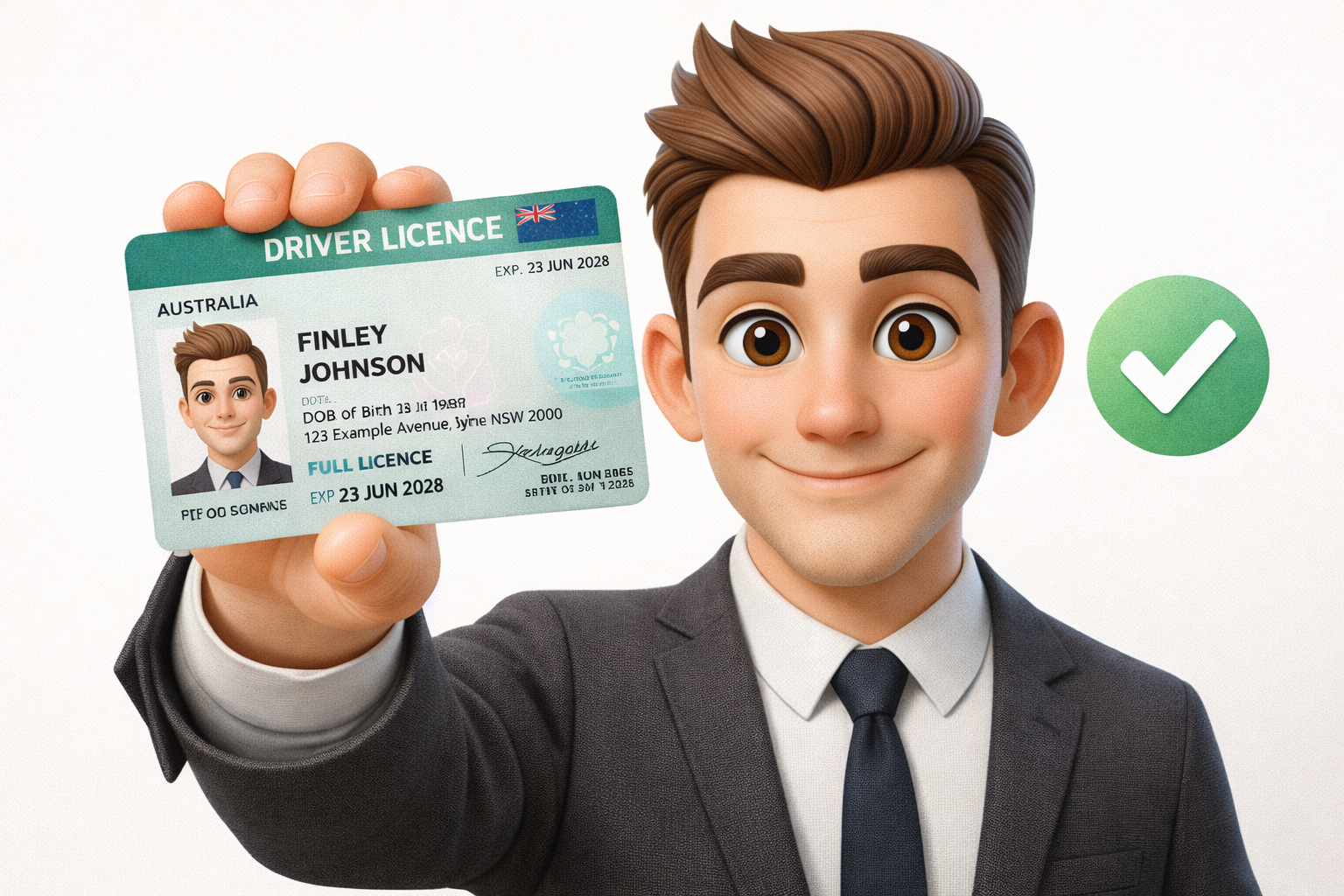
The Customer Due Diligence Process
Where the adviser has identified the customer as low risk, the adviser follows the simplified CDD checks on this customer.
Collect the customer information.
Verify the information collected.
Make sure the customer is who they claim to be, which can be done either in person or by video link.
Collecting The Customer Information
In your fact find, you could collect information on the customers:
full name
other name(s) (if any) that they’re commonly known by. For example, a former name if the customer has adopted one
date of birth
residential address
unique identifier (if the customer has one). For example, a passport or driver’s licence number or a foreign national identity number.
Verifying The Information Collected
Once collected. you could verify the customer’s full name and date of birth. This information is useful in establishing identity as it often stays the same throughout a customer’s life.
You could verify this information using either a:
government-issued primary photographic identification document. For example, a current driver's licence, passport, proof of age card or foreign national identity card
primary non-photographic identification document. For example, a birth certificate, citizenship certificate or concession card, and a secondary identification document showing the individual’s name and address, such as a utility bill or notice issued by a commonwealth, state, territory or local government body.
Making Sure They Are Who They Claim To Be
You could match the customer’s appearance against their photographic identification.
You could complete this either in-person or online. For example, by:
comparing the customer against their photograph on a driver’s licence or passport in their presence
participating in a video call and comparing the name and features of the live video image to the name and photo on the identification document
using biometric technology to compare the customer’s identification against their appearance, such as a solution provided by an ID verification provider.
Identifying Customers Without Standard Documents
Some individuals may not be able to provide standard identification required under your normal CDD procedures.
You can use alternative identification options for individuals who:
can't obtain standard identification information or evidence
can’t access standard identification information or evidence due to circumstances beyond their control
have inconsistent details across their identification documents.
This can be for a range of reasons, such as individuals:
from diverse backgrounds
facing challenging circumstances
experiencing vulnerability.
You can comply with your CDD obligations by using alternative options for an individual if you do the following:
take reasonable steps to make sure the customer is who they claim to be using the alternative identification you have
identify the customer’s ML/TF risk based on accepting alternative identification options reasonably available for the customer
collect know your customer (KYC) information that’s appropriate to their ML/TF risk
take reasonable steps to verify the KYC information using the alternative forms of identification and appropriate to their ML/TF risk
mitigate and manage any additional ML/TF risk arising from the lack of standard information or evidence.
When using alternative identification procedures, you are expected to:
consider the individual’s circumstances
discuss the alternative forms of identification they can provide
assess the customer’s ML/TF risk profile.
Alternative identification options
Alternative identification options may include one or more of the following:
a referee statement
government correspondence, including documents from state or territory corrective services
confirming an individual’s identity with reputable organisations or bodies known to them. For example, Aboriginal and Torres Strait Islander organisations or community health organisations
a community ID or organisation membership card for Aboriginal and Torres Strait Islander peoples
recently expired identification
an individual’s self-attestation of their identity.
This list isn’t exhaustive. You may use other sources to verify the individual’s identity.
That covers off on low-risk customers, in the next lesson we look at how you can complete Enhanced Customer Due Diligence (ECCD) on high-risk customers.